RealGM Analysis
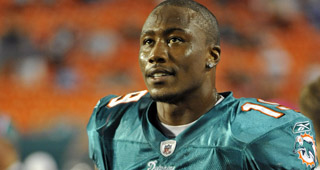
Any team that enters Week 9 without a win has problems, but the 0-7 record of the Miami Dolphins fails to even tell the whole story.
Miami, who has been outscored 166 to 107 this season, has lost 10 straight games dating back to last year. The Dolphins are 7-16 since the beginning of the 2010 season and 1-10 at home.
In addition, the Dolphins are last in the NFL in scoring averaging 15.3 points a game after finishing 30th last year and 30th in sacks allowed with 22.
Since this past weekend was Halloween weekend here are some more scary numbers, the Dolphins are tied for 14th in the AFC with a minus eight in the takeaway/giveaway category and tied for last in the NFL in interceptions with two. The Dolphins are only converting 25.8% of their third down opportunities.
As you can tell by the numbers, there is no quick fix for this team as they are struggle in multiple areas and the strengths of the offense and defense is mediocre at best when compared to the rest of the NFL. With the Dolphins being deficient in so many areas such as defensive back, wide receiver, pressuring the quarterback, true playmakers and at quarterback, it is hard to select one single biggest weakness. However, the offense as a whole can be singled out as epidemic.
The Dolphins have only scored 20 or more points once and have scored a total of nine touchdowns all season. The Dolphins also couldn’t keep fourth quarter leads against three teams (New York Giants, Denver Broncos and the Cleveland Browns) as they failed to produce more than 17 points in any of those games. Additionally, the Dolphins are ranked 13th in the NFL in rushing (116.9), 25th in passing (202 yards) and have turned the ball over 12 times.
Miami’s offense has struggled ever since Chad Henne took over the starting quarterback job in 2009. Henne, who has thrown more interceptions (37) than touchdowns (31) in his career, is currently on injured reserve with shoulder issues and is a free agent after the season. Henne’s biggest problem is that lacks touch and precision on his deep throws despite having a very strong arm.
Matt Moore, who was signed as a free agent this offseason, has been handed the reins with Henne out. Moore, who struggles throwing the ball downfield, did an extremely nice job in the first half against the Giants on October 29. In the first half, Moore led the Dolphins to two touchdowns on three drives. Moore was 8-11 for 71 yards and had an additional 31 yards on the ground in the first half. Moore, who hasn’t been overly accurate in his career, threw only one bad pass in the first half.
The strength of the Dolphins offense is at the running back position where rookie Daniel Thomas and the versatile Reggie Bush reside. Thomas, who is an every down back, is a physical back that can run between the tackles as well as get to the edge. The only obvious downside to Thomas is that he doesn’t have breakaway speed. With three games already missed due to a hamstring injury, durability could be a lingering concern. Bush, who did a nice job running inside versus the Giants (15 carries for 103 yards), is an explosive do-everything back. Not only is Bush a good pass catcher out of the backfield, but he can line up in the slot and be just as effective if not more depending on the matchup.
The Dolphins also have Lex Hilliard, who is a special teams’ standout, and the versatile Steve Slaton, a smaller less talented version of Reggie Bush, as insurance.
Miami’s receiving corps (not counting the running backs) is among the worst in the NFL. The only Pro Bowl caliber player among the group is Brandon Marshall and he has struggled ever since he came to the Dolphins in 2010. The six-foot four Marshall, who isn’t sure-handed, is a big receiver who has the ability to use his size, strength and athleticism to be open even when he is covered. The Dolphins number two receiver is Davone Bess, who signed as a college free agent. Although Bess has been productive as a slot receiver, he isn’t a prototypical NFL number two guy. Miami also has two speedsters in Brian Hartline, who is very precise when running routes, and fourth-round draft choice Clyde Gates.
Another problem with the passing game is they don’t use the tight end or fullback much. There might be good reason for that as Anthony Fasano, Jerod Mastrud and rookie Charles Clay are known more for their blocking then pass catching abilities. Although Fasano, who has been productive when he’s gotten his opportunities (15.4 yards per reception) this year, has been targeted (19) just two fewer times then Bush.
More stories: